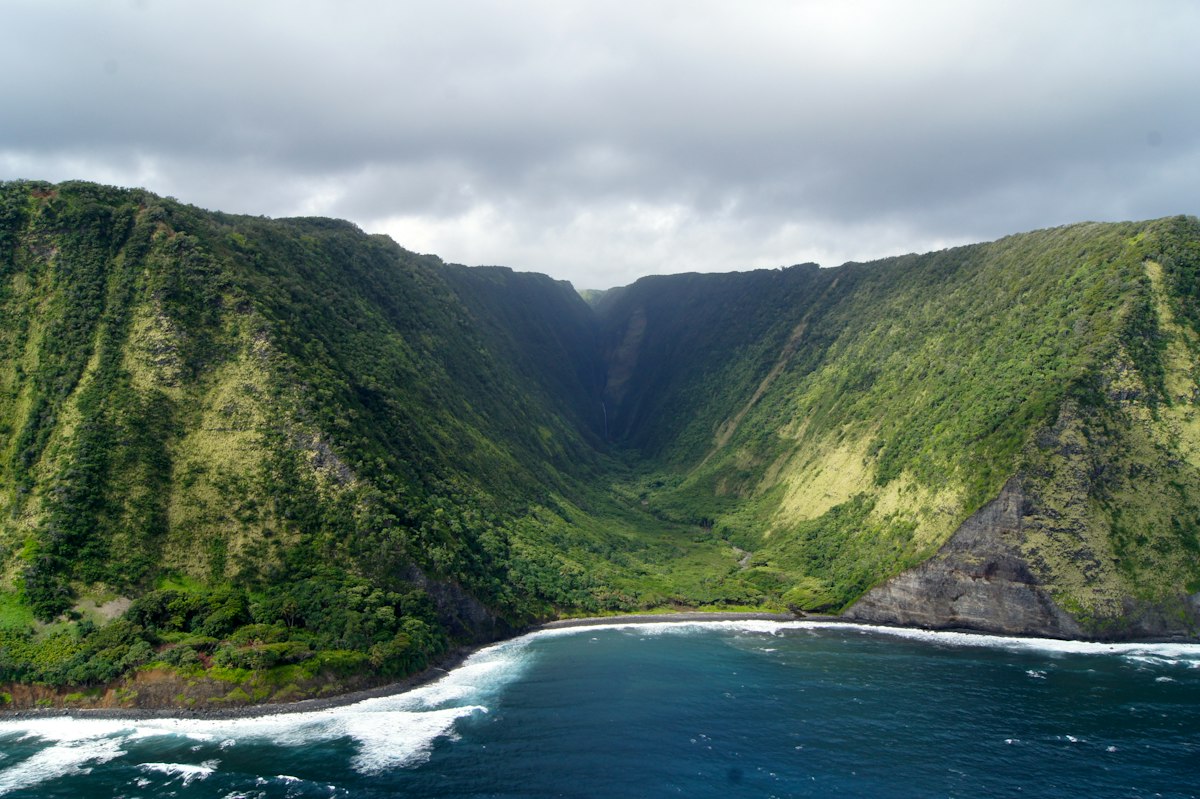
Act 125 Explained: What Every Hawaii Property Owner Needs to Know About the Cesspool Mandate
In 2017, the Hawaii Legislature passed Act 125, codified as HRS §342D-72, requiring every cesspool in the state to be upgraded to a compliant Individual Wastewater System by January 1, 2050. If your property has a cesspool, this law directly affects you. But beyond the legal obligation, there is something more important at stake: the water our community depends on, and the island we are leaving behind for the generations that follow.
Hawaii has more cesspools per capita than any other state. Unlike proper wastewater systems, cesspools discharge untreated sewage directly into the soil with zero treatment, contaminating the groundwater aquifers that supply our drinking water and entering the nearshore reefs our families swim in. This is not an abstract environmental concern. It is the water in your tap and the ocean in your backyard.
Start My Conversion →Guides & Articles
Practical information for Kona property owners navigating the IWS permitting process and Act 125 compliance. More guides added regularly.
HAR Chapter 11-62: The Regulation Behind Every IWS Design in Hawaii
Hawaii Administrative Rules Chapter 11-62 governs all individual wastewater systems in the state. Understanding its key requirements helps property owners know what to expect during the permitting process.
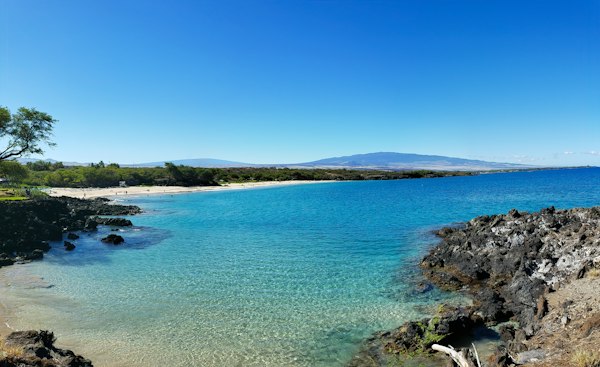
Cesspool Conversion FAQ: Answers to the Questions Kona Property Owners Ask Most
How long does conversion take? How much does it cost? Do I have to convert before 2050? What type of system is right for my property? Answers to the most common questions.
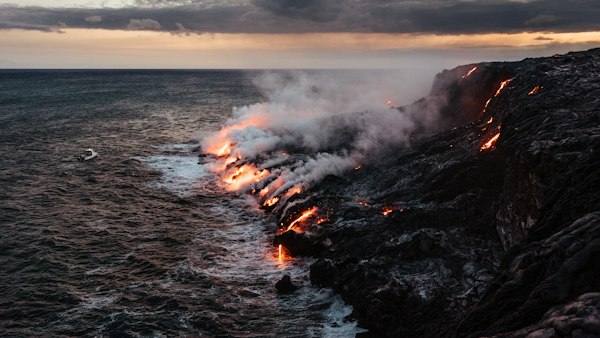
IWS System Types: Anaerobic Septic vs. Aerobic Treatment Units in Kona's Lava Terrain
The Big Island's volcanic geology significantly influences which IWS system type is appropriate for your site. A plain-language breakdown of the most common options and when each is used.
The Percolation Test: What It Is, Why It Matters, and What to Expect
Every new IWS permit application requires perc test data. This guide explains what the test measures, how it's conducted, and how the results affect your system design.
New Construction in Kona: IWS Design Timelines and How to Plan Ahead
IWS permitting timelines can significantly affect your building schedule. Here is how to integrate IWS design and DOH approval into your project timeline from the start.

When the 2050 Deadline Doesn't Apply: Cesspools That Must Be Converted Sooner
Act 125 includes several triggers that require conversion before 2050. If you're adding a bedroom, applying for a new permit, or building near a water body, conversion may be required now.